Commemorative events are being held in the capital on Monday, remembering the victims of the 7 July 2005 bombings, carried out by Islamist extremists.
They will include a National Service of Commemoration at St Paul’s Cathedral, where the King will be represented by the Duke of Edinburgh.
- Follow live: Victims of 7/7 London bombings to be remembered 20 years on
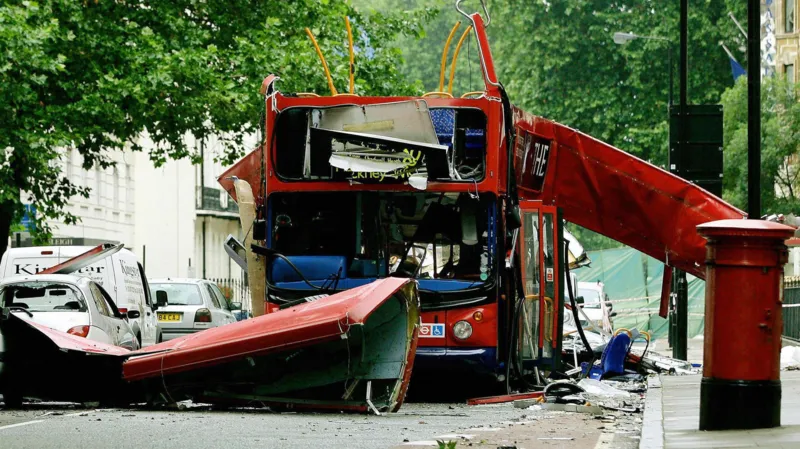
The suicide attacks in central London saw bombs detonated on three underground trains and a double-decker bus, causing terrible casualties during the capital’s rush hour.
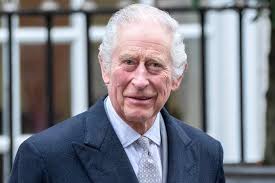
The King’s message called for a “spirit of unity” and said the attacks had shown the importance of “building a society where people of all faiths and backgrounds can live together with mutual respect and understanding”.
He said his “special prayers remain with all those whose lives were forever changed on that terrible summer’s day”, including those who carried the “physical and psychological scars”.
He praised those who helped with the rescue and the “extraordinary courage and compassion that emerged from the darkness of that day”.
King Charles has been a dedicated supporter of building bridges between different faiths and encouraging tolerance and respect between religions.
“While the horrors will never be forgotten, we may take comfort from the way such events rally communities together in solidarity, solace and determination,” he said.
“It is this spirit of unity that has helped London, and our nation, to heal.”
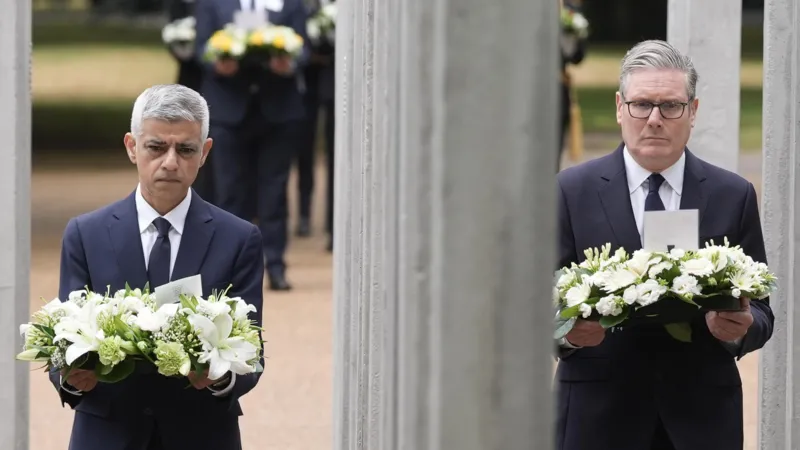
Sir Keir added: “Those who tried to divide us failed. We stood together then, and we stand together now – against hate and for the values that define us of freedom, democracy and the rule of law.”
Home Secretary Yvette Cooper said the attacks were “no less shocking” 20 years later.
She continued: “Amid the horror of that day, we saw the best of people, our emergency services, first responders and ordinary Londoners who bravely acted to help one another. Their courage continues to inspire us.”
Sir Tony Blair, who was prime minister at the time, said the UK was “a lot safer from terrorism” today “because the security services have got a very good system in place”.
But speaking to BBC Radio 4’s State of Terror programme, he added there would still “be a problem as long as the ideology exists”.
“And in the end, the answer to it, by the way, isn’t security. It’s changing the ideology,” he said.